VJ Costanza VMware Explore 2022
Transcript
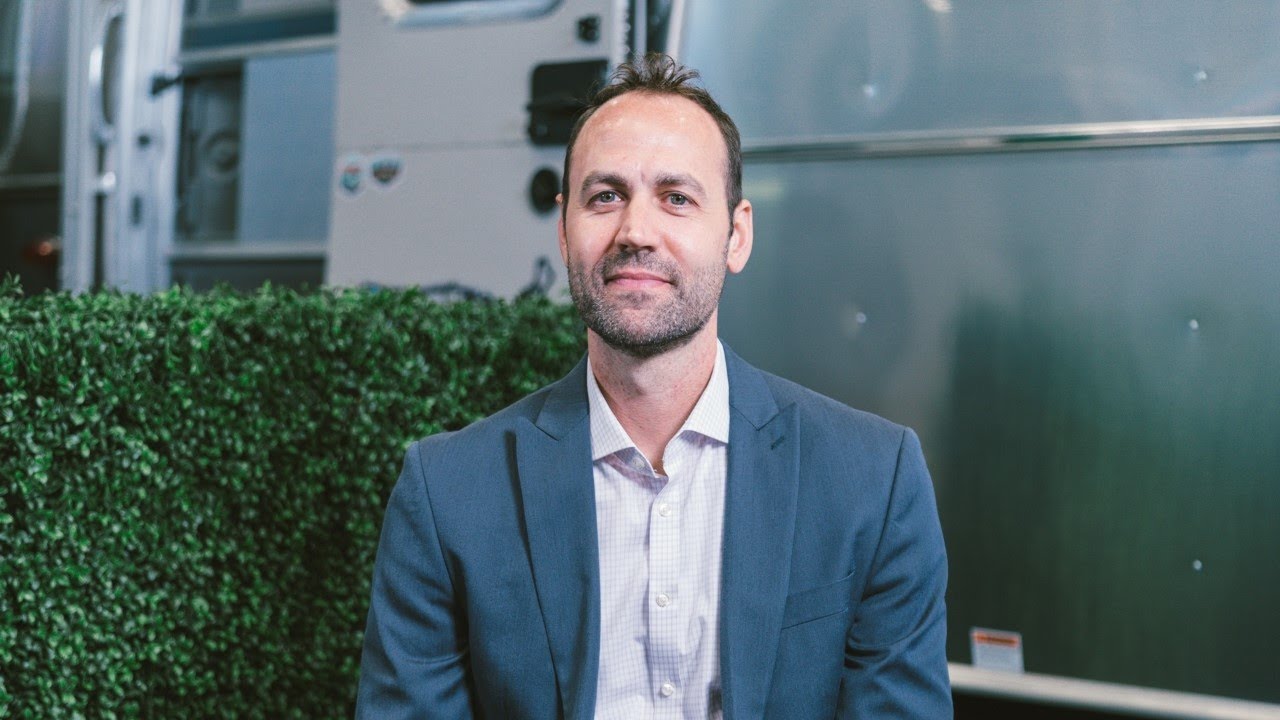
>> Welcome to VMware Explore 2022 with the CTO Advisor studio come on in and consume some content. >> Welcome back to VMware Explore coverage by the CTO Advisor studio. ," but just like my conversation with Brad Tomkin who is the executive director of VMUG, it's not about the quantity of people here, is about the quality of the conversations, they are deeper, and you're about to get into a deep conversation with me and VJ Costanza, Director of Financial Services, Go To Market Strategy for VMware, VJ welcome to the show.
>> Thanks Keith, it's great to be here. >> It is great to be here. I'm going to relay a story from the past- >> Okay. >> And it's something that you probably are familiar with. There is a world class or a world class sized credit card processor, grew up from a mom, pop shop to a fortune 500, there is a major breach of their PCI compartment, the auditors come in and say you have a year to get it together and you, if not, you're out of business.
Major project at work earlier in my career, it was a nightmare. Now fast forward to 2022, and you go into a meeting with this processor and you're making an argument for the public cloud. >> VJ: Okay. >> Make that argument for me. I remember the pain, I remember trying to convince the auditors, I remember the 90-hour work weeks, getting compliant and now you're telling me I can move that environment, I don't know. >> Yeah, that's a fantastic question. " It's a fact, right?
Human error, the complexity around building the infrastructure, keeping it patched. New vulnerabilities are emerging every day and they have a lot of work to do, to not just keep up but they're trying to stay ahead, right, they're trying to actually go out and maybe even hunt proactively for these bad actors, for these threats and anticipate what might go wrong. But even still, once you identify the vulnerability, once you identify that something could happen, then you've got to go patch operating systems, patch servers, think about middleware and all the different layers of the application stack that are impacted.
So the question was, why go to a public cloud, right? And I think, first of all, all public clouds are not created equal and that's okay and that's not saying that one is worse than another, I think it's kind of like Swiss army knife in a way, I mean, you have a lot of different tools in there and depending on the job that you're trying to do, you're going to need a different tool. " And as you want to patch and update them, you can do that the same way you do on PRAM, but you don't have to worry about building and constructing all that infrastructure and sort of caring and feeding for it regularly.
>> So I still have anxiety. >> Of course you do. 0 was announced and when Oracle Cloud gets it, they're going to deploy it but I'm not going to be ready to move in a year let alone two years for, I can't move the cloud, like, you guys move too fast for me. >> Well, interestingly, that might be a reason that you wouldn't want to go to maybe another cloud provider because you have less control over the versioning, you have less ability, to sort of, test those applications and to look at how they perform in those newer, kind of newer versions, right.
So they do a lot of regression testing and there's a reason that these large regulated entities are behind, it's because they don't want to be the first to jump to a new version, you know, they don't want to break the ice for anybody, they don't want to break anything first. So they're okay, I think, being a little slower to adopt the newer version even if it means I can't take advantage of that feature or that new capability first, right. So I think it's complicated and just very candidly, yeah it's complicated.
>> Yeah, and I think that's why it's important to have choice, right. Sometimes you want to be on a bleeding, cutting edge and other times you work in regulated environments, whether it be financial services, healthcare, et cetera and you need a cloud provider to take it at your pace, but let's switch it to something that's near and dear to everyone's heart which is compliance and compliance audit. The other thing about financial services that I've found to be, I've been on both sides of it.
I've been an aggressive auditor or I've been a client of an aggressive auditor and when I change my underlay, it gives the auditor fonder to find material defects in my environment and I need a partner that's going to help fight, like, when I move my PCI compartment to a new environment, how can I be sure that I'm going to have somebody there with me and helping explain this new underlay to my compliance people. >> So nobody wants to come into the office on Monday morning and get that email saying, that you've got a matter requiring attention or a matter requiring immediate attention which is even worse, saying that, yeah, parts of your environment are suspect or you need to account for why you built something this way or you know, like you said, from an auditor perspective.
And I'm going to answer your question with two parts, number one is I think VMware 24 years ago, we were just a new company, right, you fast forward to 2022, we are the trusted infrastructure cloud services provider for private clouds. I think hands down there's no argument that you can have about that and the reason is because we've built great software, we've built a great support structure and we work very closely with customers, you know, as CVEs are announced and things come out we work very closely to say we want to help you get things patched, we'll guide people two different releases accordingly or sometimes we'll write hot patches and you know how it goes.
So when you think about now, why VMware and maybe why an Oracle Cloud VMware solution, it's really the same answer and I think it's about understanding, it's about operations teams and cybersecurity teams understanding that they can trust the partner, they can trust that they're going to deliver, they have a track record of doing it and they understand it versus maybe some of the cloud providers, they don't understand what's happening behind the curtain as well. They're not understanding maybe nor do they have the control about what they can and can't patch, obviously, if it's more up the stack in the application they can go and look at the application itself, but if it's an operating system issue, or if it's a piece of the middleware that they don't really have control of, that's where challenges are introduced.
And again, Oracle, you're kind of coming as you are into that Cloud, right, and I think that's another reason why it's okay they were a late entrant into this 'cause they wanted to sit back and say, "We want to be different from some of these others. " All cloud services providers are not created equal, so when you think about highly regulated industries and audits and compliance, I think they're sitting in a really good place to start capturing some more market share. >> So let's talk about, we've talked about the land, the lift, the land, let's talk about the modernize.
>> VJ: Sure. >> So now that I'm there, one of the things that can be underestimated is the power of the overall larger community, Oracle cloud, smaller cloud, where is VMware helping to have the sense of community for around financial services? So as I look at the types of things that I can expand to a modernize in a public cloud that I can be assured that there's someone there to just, I'm not on an island by myself. >> And I'm so passionate about this, so if we look at VMware's acquisition of Pivotal, some of Pivotal's largest and earliest customers that really leaned into the modern development stack, you know, are financial services customers and why were they doing that?
Well, I mean, everything by financial services is being driven by digital experience, it's never been more aggressive, you've got FinTechs everywhere coming out of the woodwork and they're trying to figure out how to compete or how to integrate and I think it was this, sort of, buy versus build conundrum of four or five years ago, we're worried, the FinTechs are going to come in and they're going to start eating our lunch. And now it's," Hey, maybe that FinTech provides some kind of a cool embedded finance capability for our customers," or a unique value that they didn't want to go build themselves, so now they need to figure out how to integrate it, okay?
And what do we have, is we have this Tanzu application platform now where we have an entire developer life cycle to be able to help them modernize their existing apps or build new modern apps based on Kubernetes. And then we have a partner like Oracle where if they want to port that app into Oracle Cloud then they can do that. But the one cool unique value that Oracle has, is what do all those apps connect back to? A unique data layer, right, and who has that unique data layer been built upon for years and years in financial services, Oracle.
So they have a very compelling story, as customers are not only modernizing apps but their enterprise data management systems and as they look to take those from centralized systems to decentralized systems or make them cloud ready so they can do realtime analytics, Oracle's positioned really well to be able to help them do that as they modernize the front end of the apps too. >> So VJ, I really appreciate you coming on, making the argument for why VMware, why Oracle, specifically in financial services markets cause this is the difficult market- >> VJ: It is.
>> It is, the cost of getting it wrong is way more than sometimes the cost of getting it right- >> VJ: Absolutely. >> From a, just, business value perspective and I think you've made some critical observations. com. You want to learn more about what I do and have questions for VJ that I didn't answer or ask, you know what? I thought I went at 'em pretty hard, but I'm open to critique, you can critique me @ctoadvisor on the twitters, talk to you next CTO advisors studio coverage of VMware Explore 2022.


