The Future of the Data Center
Transcript
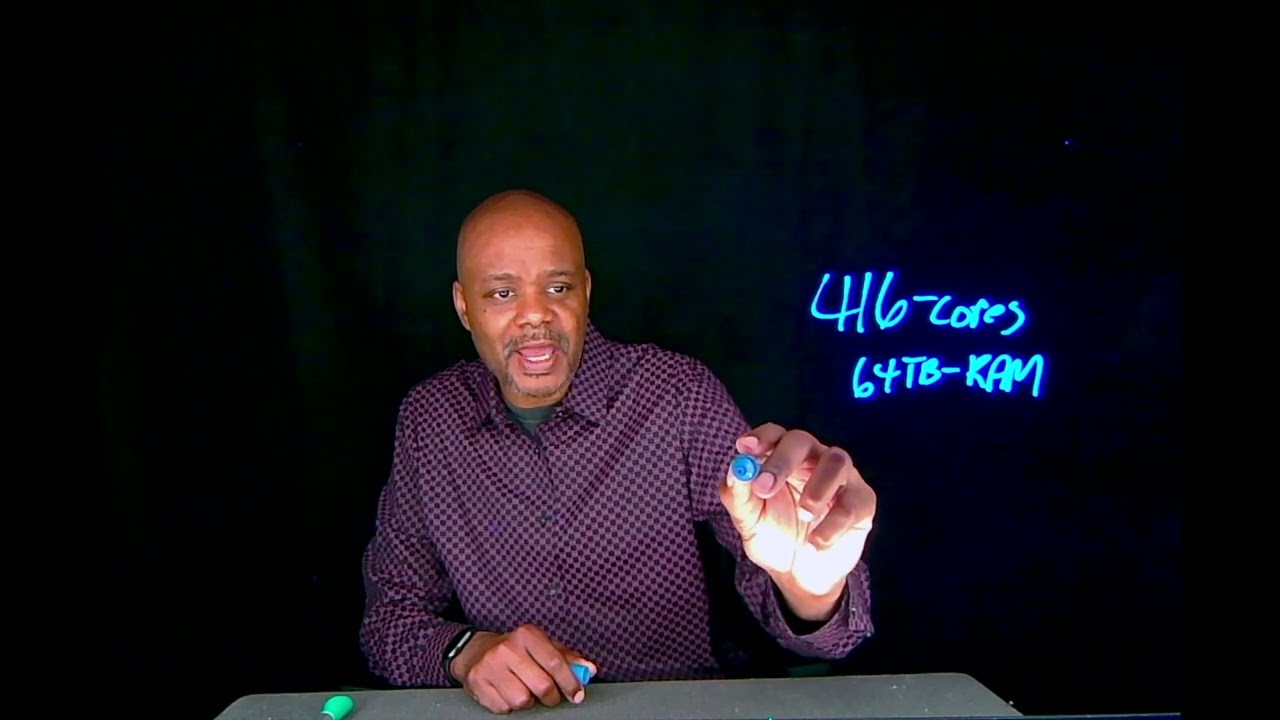
(dramatic music) >> What if I told you I can get you a system with 416 CPU cores and 64 terabytes of RAM, and you could address all of that in a single OS. Windows, Linux, really doesn't matter. We test the limits of the software OS versus where we're bottlenecked today with the hardware limits. What is this system and how do you get it? First off, thanks for Micron for sponsoring this video series. We're going to take a look at the future of the data center.
This isn't possible today, but everyone wants this capability. Whether you're building scale out applications or you're building scale up applications, the ability to compose your cloud or private data center in a way that allows you to either address all of that at one time or carve that up, gives immense flexibility for software developers and operators. We'll take a look over the next three videos, additional videos at Micron's approach to CXL, DDR5, and storage protocols that enable just massive amounts of data injection at the CPU layer.
But let's go back to our future of the data center picture. Today, if I wanted this overall capacity, comes with something like VMware Vsphere, and carving up the data center, the individual data center resources in a way that allows us to build cloud aware applications. We have orchestration, orchestration platforms such as Kubernetes, et cetera, that balances the load across several workstations. But what we want is the ability for any one of these nodes to address the memory in any one of these given nodes.
We want a completely parallel system that is composable, that our GPUs, CPUs, FPGAs can access the storage and compute at line speeds of any other system within our data center giving us this capability to, basically, efficiently use all the resources in our private or public cloud. That is a big step. Again, there has to be teaming of different industry players from Intel, AMD, VMware, IBM, Oracle, Micron, the list goes on and on. These standards around DDR5, CXL, NVME, RDMA access, the clustering software, the open source community.
This work is in earnest. And we'll talk about this work over this four video series. If you want to learn about what's possible today, what can I do to improve my application performance with DDR5, with DDR4, with clustering technologies, visit Micron's data center page. com. If you want to engage in an active conversation about, "Hey, Keith, is this really possible? We know we've been promised this year, after year, after year. " You can DM me on Twitter, DMS are open at CTO advisor.
Talk to you in the next video in this series.


