SolarWinds Orion Integration #TFD16
Transcript
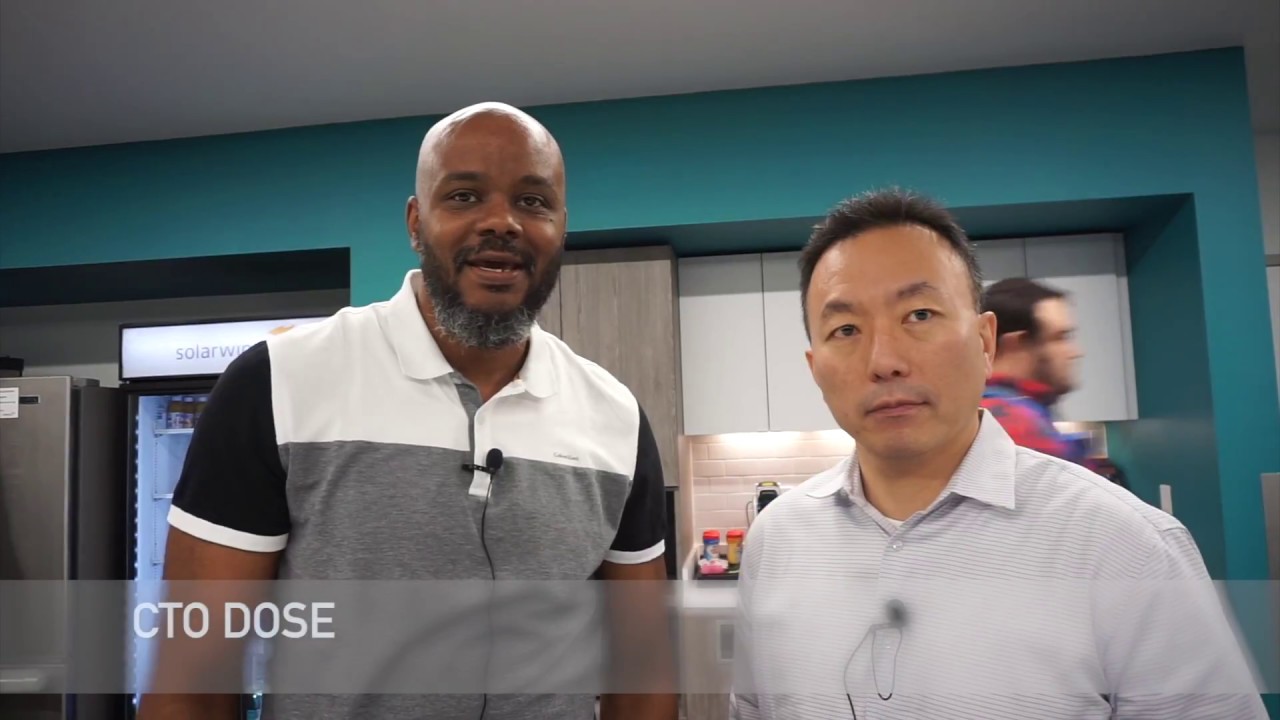
[Music] hey how's it going - Steve Townsend from the CTO advisor comm join with Michael Geary from SolarWinds hello it's cloud well you know what you're catching the sights and sounds of SolarWinds tech field day Michael interesting the session we just had one of the interesting outputs that I get from it was the integration points between products sure tell us a little bit about SolarWinds application development culture that allows for that what I believe is an obvious integration between the interface API etc what does that
take sure that's a great question case so I think you can look at it from really the customer and user perspective in terms of journey that a lot of our customers going through traditionally you had we had a lot of customers that had a Tom Trent product and we had a product like you know networking fullness monitor we have serve an application monitor so these are what's called like base of Orion platform right which provides a different innovation off of this platform that we have which
is great but nowadays that's not good I mean you basically want to have a next journey in the step which is customers are starting to have a SAS based monitoring solutions and this is where solo espada comes into place we have pinga a map optics largely and paper trail that integrates across these products as well but connecting those cloud-based product with on-prem product because a lot of customers are making that journey right they're making the work load and application monitoring that's on front base to the
base relation and making that connection as well so solo is our philosophy is making those connections and making that as much seamless as possible for our users and our customers and then from a just culture perspective is that something that's part of the fullness culture by nature is that a shift that you guys have to make internally to make that adjustment to change the focus so you can go that beyond that basic oh these are different set of products to integrate together versus what was the
cultural journey if at all yeah I mean with a lot of companies I mean we made so many products either we innovated internally we will carve up the years so it certainly takes like a planning and efforts to you know put this product together and for us like so luminous has always prided itself on providing a very powerful simple affordable solution that sells to that particular pain points like if you're looking for a network base or database optimization we have a particular product for that right
but what we realize is that a lot of our customers use different products and they need to solve this end-to-end problems right so definitely we had to kind of plan it and we're like we need to make sure these different product that solves particularly important integrate but we planned it together to make sure that these products are like you know meets different integrations use case associated that so it's part of our planning to making sure that we have these set of products over but at the
end of the day I mean all of us is driven by the customer influence so last question why not use the secret set up our car so it is a tough group you did a pretty good job of just answering the questions how did you find the piece and and type of questions that killed eight delegates thread I think these were great questions and you know we always value like the thought leadership from people like you Keith in terms of you know you have a huge
following you have an audience that you reach you reach out to it and you know it's a great way for us to kind of interact with you as well as your audience so I put it what the questions are great and I forgive those great sessions alright and then you do do you tweet or you're on social media at all yes I am so I'm on LinkedIn I'm on also on Twitter as well so the handle is Michael that Yanks it okay alright that's it for
this CTO dose live from Phil winds offices here and talk to you next CTO dose


