HPE dHCI And Cloud Data - VMware VMworld 2019
Transcript
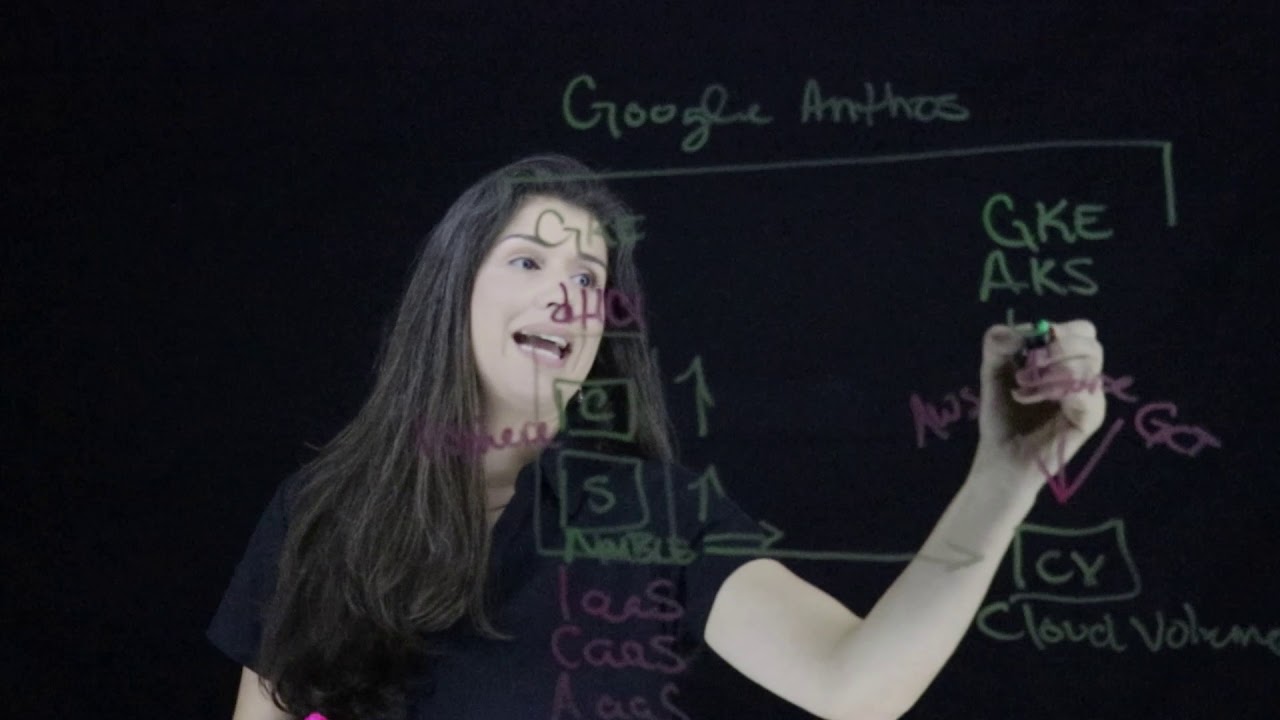
hey I know this cute talented I'm gonna get it right at least this time this car there you go Michael CTO advisor foot today at vmworld 2019 were in the Suites at the beautiful st. Regis right across the street from the conference you finish all today oh yeah so a lot of kubernetes yeah a lot of communities yeah we talk kubernetes whole design and we are not going to let you down more grenades and admitted with our guest Diana Gonzalez who's been on the show if you remember we did the show at HP discover and we talked about the Google and those announced it with Google and HPE we're gonna do a little bit more of a technical deep dive but talk about HP ease d HCI you talked about DHT I earlier today how did that yep session go yeah I mean we we took DHA you know basically we talked about you know greenfield customers brownfield customers where does the DHA I come in how does it work technically and kind of how do you transition from having arm Prem to you know towards the clam not entirely going into the cloud directly I mean customers do advocacy investments they have no existing applications running so how do you kind of leverage that and go and try out the cloud you know step by step very slowly to get used to it and to maximize your investment so if you watch the video with Diane a couple of months ago there was no easing into the cloud this was a cloud discussion at HP discover so I'm glad to have her on she's gonna whiteboard for us or light board for us the conversation around DHC I in expanding DHC I into the club Diane tell us about this amazing and no problem sheets so we're talking about extending gates behind the cloud let's start there it's actually a fantastic fantastic point to start when we're talking about our two hundred populations but containers what we're talking about is let's start by describing the HDI Biggs gathers on next-gen converged solution and it allows us to scale compute and storage independently instead of in a modular format as with traditional HD ihd I solutions however while we've added this flexibility to the solution it is managed as a hyper converged solution meaning all the components here are managed by these fields and our presence so should we need to scale compute or add more hypervisors we simply add the nodes through the skin should be to the point or provision more storage or add capacity either create new VMs data stores or manage our meatballs again we do it easier so we've added the flexibility of converged infrastructure which is why next-gen converged infrastructure but we've kept the simplicity of the hyper-converged experience and what this allows us to do is ensure that we have an infrastructure is you service experience on premises yeah because it's nimble storage on the backend we are able to provide a consistent set of API and a data path for integration into the cloud and that's who found all Unix now this data path is completely integrated into the storage system there's no external data mover this is simple replication that is built into the more or less so any data that we have running in our infrastructure here we're able to take two columns and from file volumes we can then present the data to any of the hydro station whether AWS Azure or we so that's the short answer on how we extend the HDI into the problem but the powerful story here and this is what we announced starting at Google next this year is our partnership with Google and with this partnership what we have done is we have built a true hybrid cloud experience for containers it starts with the HDI and our validated design for ADHD I and it's leveraging Google Cloud answers Google Cloud anthos gives us a platform for container containerized applications we can think of Google Cloud anthos as an umbrella of services one of them and this is the big announcement is the ability to run gke on-premises it also has integration with marketplace it has a service mesh synchronization service and a few other things that allow you to truly take any pods or any applications that you're running in your on-premises environment and seamlessly integrate them into the cloud and it's all through the same container runtime experience now if we combine google kubernetes engine on francis with our new HDI solution that's our validated design for Google anthos on-premises with the HDI we now have the ability to have containers as a service or applications as a service as part of our solution and here's the best part we can still run our traditional applications on viously off so now we've unlocked a myriad of workflows we're still looking at just the antenna Society let's talk about this now we're able to do for example lift and shift or modernizing our applications on the same infrastructure on premises where we still have our protection or governance or SLA in place so simply put we're able to take our monolithic or our traditional applications but maybe running in the same platform and modernize them in place and build native on Francis that's the real beauty of this DK unconscious solution is that it brings the cloud to us yeah one of the other things that you can do with Google anthos is that you get a consistent management plan for your kubernetes infrastructure and it's not just UK on GCP you can also manage a chaos and chaos so now if we combine file volumes as the data path starting from the bottom up we've got the HDI which has nimble storage on the backend that gives us our native API and our data path the top audience take this infrastructure as the next level up on automation for our API and our management plan for containers and that's provided to us by our partnership with Google right what we've essentially done is we've unlocked even more workers hybrid workflows or top native workbooks and this is why we call it a true hybrid cloud experience because not only can we take applications for long premises to the problem but we can take them from concepts now the reason why we're able to provide such a robust solution is because we're not only able to move the applications but we're also able to move the data and we talked about containerized workloads oftentimes we talk about them in a thermo sense if this container goes down all the data within it also goes down ok just spend another one up and off we go now what happens if your container actually requires data should this container go down you don't want that data the beautiful part here is that we are able to manage storage for our persistent or persistent data sets stateful applications seamlessly through a developer experience meaning the creation of the volumes the management the cloning enterprise data kind of experience that you expect from an enterprise forgery that is all governed birth control room respect so just the ya know specification and we're able to provide that interface or that integration without much volume plugin as well as CSS so what does that mean now only not only able to create our applications with persistent data on premises but now we're able to need that data and present it whatever we were taught to be so imagine production pods running on premises Hydra CSV or imagine being able to choose the best of Greektown to fit your development for new production needs whether that means you require certain EQ eyes maybe the price point which you like in the cloud but the key here is it is an extremely flexible platform built on the restorative slide pop volumes and Google anthos and in a true hybrid cloud solution so I know this is a sponsored CTO dose but we'd love to hear your feedback this will get posted to YouTube Twitter's etc both I am you been Diana all on Twitter tell us what do you think is this a legit path form on Prem managing workloads on Prem and development processes or crown to extended it to the cloud love to hear the feedback until the next CTO dose you can follow us on the web the CTO advisor comm follow the hashtag hashtag CTO dose to join the conversation


