Cultural Transformation - VMworld 2018
Transcript
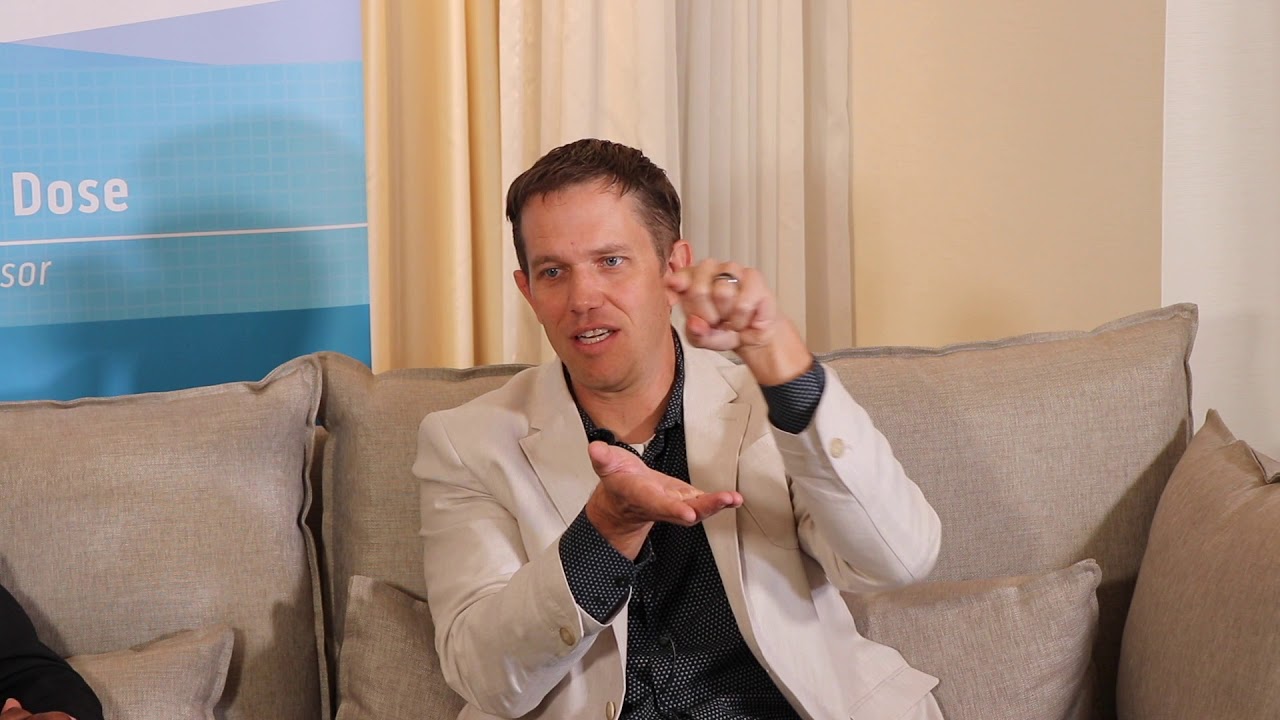
[Music] hey how's it going Steve Townsend from the CTO visor guy common another CTO dose from vmworld 2018 we're in the beautiful city of Weiser Tipperary studio in the Delano or Delano exactly call Craig I was wondering about that yeah you you told me that the Delon have to dedicate two hours of learning a week and that's at least a half an hour of my learning for the week is that it's pronounced Delano at the Roosevelt Delano and after two hours of learning a day but
yeah oh yeah yeah a day oh my I want to keep up with all this oh I know it's too much so France Fletcher you're wait oh how are we gonna talk about that you know I got it Craig doesn't like you know you doesn't like to hold me to think I'm into this but director solutions architecture @vm VMware have the images specifically what region of the US oh no not just the US well yes yeah Canada Western you is Latin America oh yeah yeah that
happened recently I'm very grateful very grateful for that so Craig is also responsible you gotta wear it and own it for getting me in the door at VMware he sent me a note on linked and saying hey Keith you want to come work for VMware I initially said no and then he kept bugging me and now I'm at a few more so all of the CTO visor fans have Craig to think for me being a VMware you know actually the content that you create on CTO
advisor through your podcast and your video blog is what motivated me to reach out to you cuz I think it's a great content and as I told you I love your radio voice and it helps me fall asleep it so Craig I get you on because you had a session you and Joseph Griffin a Solutions Architect down in Texas right yeah he's in Dallas now yeah and Dallas man yeah you guys you guys had this fast in session at vmworld on digital transformation powered basically by
culture change right and I wanted to capture some excerpts and some thoughts around the ideal that you need culture culture change needs to be part a what I got from the content the session that culture change has to be delivered it has to be part of your strategy of digital transformation so one of the things that you know I kind of was curious about people say that the culture comes from the top down what does a by n do you need my what type of I
enter from home you need buy-in to implement cultural change versus the technical change yeah that's a great question you hope when you go through a cultural transformation that it's gonna come from the top so you want a very active leader in cultural transformation ideally and I wouldn't say that's required so for folks in your audience that might be a VP or director of departments if it's not coming from your CEO down really right or your CIO down and IT you can still do it within your
team but you the buy-in would be the source of the buy-in I think would be the agreement first of all on the understanding that technology is not holding people back from digital transformation which should be a business driven first initiative by the way that the technology can do these things they can help companies go faster and be more agile the surveys will tell you the customers I speak with we do multi customer events we pass the microphone around and ask them what's keeping you from transforming
and being that agile nimble front office revenue generating IT group and it's almost unanimous they say that its culture so if you don't have the buy-in I think it's it just could be a lack of understanding of what's holding us back but I think once people come to that understanding they realize that all the technological investments in the world won't yield that transformational change without changing the way that people think and behave which is really what culture is it's it's the normative thoughts beliefs and behaviors
of the people in your organization so culture change is disruptive like from the ground looking from the ground up if I saw my culture changing as a frontline employee I automatically get work like you as humans we don't like change right and when we're seeing you know the fundamental culture of my department or my company changing we have a we have this desire not to trust it yeah how do we get buy-in not just at that high level but at that ground level that this change
is beneficial and not necessarily adversarial that's a good question I I do think that it's hard to put culture change into action mm-hmm and to motivate people beyond their fear of change because if you just talk about culture change people not only do they fear it but they they don't understand it and they just hope that conversation is going to go away so I think and I'm generalizing of course you're always going to have your champions which by the way is part of the answer to
your question I think as you start with your champions so I think some of the things you want to do I think you want to change people's in a corporate environment anyway you want to change people's performance metrics first of all they want you want them to be measured on cultural change aspects of how their job is making a difference and I think you also BIGBANG doesn't work for culture change I think if I were to emphasize maybe one thing on this in this conversation though
you have to be very intentional about culture change no IT organizations have long lists of 100-plus projects that they'd like to do right they like the business to do and we all know that and I'm a former real-life CTO as well so I've been through this you take this long list of projects you can only do about this many of these projects you know you to prioritize if culture change isn't at the top right of that list it's always gonna move to be next year's thing
you know it's just it just always gets deferred unless you have intentionality but once you have intentionality I think you want to start with some growth mindset people in your organization and you want to focus on maybe a hairy business problem that hasn't been solved in you believe technology can solve it you want to sign up for that which takes courage and then the behaviors around culture changes are gonna drive that to be successful you want to celebrate those publicly to show people hey this works
we're rewarding these people and motivate them to change by giving them an example so two things that I've heard one is that you have to make an investment and cultural change you if if you've ever done like four fully your project management you realize that sometimes you have to hit the pause on the on the most all but the most critical projects and ironically a lot of times we don't even know what the most critical projects are right and that's the whole point of portfolio management
and once we've made that investment in portfolio management we can prioritize our projects same way with cultural change and you can't undertake a lot of these technology projects one of my favorite conversations was with Kelsey Hightower who worked at Google and now he's a developer advocate and we were talking about kubernetes you said Keith you know what the tech to your point the technology isn't hard that what we do is it's brain surgery yes someone's already ridden the cold someone's already figured out the memory management
systems the the cube management all that stuff has been ridden for us we have to just implement it says point C ICD is it hard this I don't take two weeks decide on the to deploy it in another two or three weeks if you can't deploy it and you know if you can't deploy the C ICD technology in a couple of weeks then your problem isn't the is way deeper than the technology right it works yeah technology works it's it's this cultural shift so the question
behind that and I you know a channel is Kelsey Kelsey hides out with the same question was what happens when you get people because this will you talked about that at the session people there's some people they just won't change like you know I'm yeah I'm a DNS administrator yeah and you're asking me to do pivotal Cloud Foundry you're not understanding I'm a DNS administrator I've done this for the past twenty years and I know DNS back was a force what you're asking me to do
is not my job yeah so I don't think I like using networking example as well do we think that the network of the last twenty years is going to be the network of the next twenty years I would say no right we want a software to find automated constructs for example but people resist that is very very different I think that in a more general sense zooming out from that particular example there will still be jobs in enterprise IT for people who don't want to change
but I don't think they're gonna last forever so I think people that won't change they want to do things the legacy way with legacy systems and tools they can keep those legacy quote unquote mainframe type systems up and running right but I don't think that's gonna last forever and I think eventually you have to make some hard decisions within yourself am I gonna believe that I have more potential and then if I believe that I have more potential than what I've been doing the last 20
years am I gonna take massive action on that belief because if you don't have that belief first of all you're gonna get paralyzed but if you do have that belief if something can come along and inject that into you can find it within yourself then you're gonna get better results and their beliefs gonna change you say I can learn things the new way if you can't do that and if we can't do that as Enterprise IT practitioners I think leadership might have to separate with cultural
mismatches over time which is harsh to say but I'm trying to keep it real yeah I'm a bit more direct than you are some hard Jonny nice yes some hard decisions have to be made but what both ends what you described is on the front line employee perspective on it's basically that growth mindset yeah you know that I I'm not limited by my current capability that I can grow into a much larger role I can learn things that were perceived to be you know some people
look at you know like shooting video if you looked at some of our earlier video you're like yeah yeah keep you probably you should probably find something else to do as a hobby well you're dressed a lot nicer to your t-shirt I know anywhere my t-shirts on the other videos yeah but the ability to basically I like to call it the grit myth the grit they're so great that you know what I can get this yeah and only I started mentoring a guy the other last
week he was telling me oh I keep on went back to school and I interned and for a year and I got a job and you know doing some embedded systems I mean I mean embedded systems for he lived himself an embedded systems program yeah and I said wow that's really interesting it's really compelling and he said yeah I'm 59 and I think you play hold on so I walked back so you're interning at the age 54 with the basic school that let's say 50 to
53 yeah got his degree interned for a year and now when he describes his job to me he's doing IOT I said one you you you've mislabeled yourself yeah you're doing IOT you're not doing embedded systems yeah and you know I put them on the path to you know investigate technologies like Leonardo and green grass and such but that was like I wish I could take what you just said bottle it up and sell it to everyone because that's the growth mindset and if he can
do it then our teams can yeah and I think this sort of coaching I think one thing that that's a great story by the way we need more people like that yeah I think one thing that might be missing a lot in IT leadership is investing in your people mm-hmm - and we think so much about business alignment and business outcome alignment it is part of digital transformation but we and in the technical technological aspects technology capabilities but we really need to especially with the talent
wars we need to focus investment on developing our people and being very intentional about some of the soft skills and psychological aspects of taking our career to the next level growth mindset cannot be overemphasized in my opinion you know that the opposite of that the fixed mindset believes that you know they have a certain IQ they're born with and it's not going to change and so they're afraid to you know raise their hand and be wrong about something or show that curiosity which is where learning
comes from they don't want anybody to know that they don't know everything so they stay with their expertise and they see challenges as obstacles and I just don't want to reveal any weaknesses where this growth mindset says you know what there's way too much to know out there especially with the industry changing I'm gonna raise my hand in class so to speak I'm gonna ask those questions they've lead me down new paths and new answers and I'm not afraid to be wrong it's an opportunity towards
mastery and you know the path to autonomy in our careers comes from first the desire right and then just practicing asking questions and then eventually you lead to mastery but it you know a fixed mindset says I'm born with these skill sets and this is it for me it's not gonna work all right so Craig for those of you for those that weren't able to attend your session and want to hear it on playback or via what was the session it was called culture the heavy
lifting behind digital transformation I don't have the actual session code but if they search for that or your or your name that that was of Griffith sum is about those the only the quote-unquote holy session you that I use again easy to literally work on it for a couple of months I saw really impressed with yeah I usually start my up the day before all right cuz I'm not as smart as you oh you can find these videos on the web CTO dost calm talk to
you next CCO visor daily dose


